Define
01Audit past performance and data baselines so every forecast is grounded in real history, not guesswork.
Mighty Leap helps businesses use predictive analysis to model likely outcomes, identify future risk and opportunity, and make planning decisions with more confidence.
We help businesses move beyond static reporting by shaping forecasts, scenarios, and analytical views that make future planning more practical and easier to support.
Strategic Approach
Modeling the future requires clarity over volume. We design analytical views that synthesize complex historical signals into legible, forward-looking insights that leadership can actually use.

A single forecast is a single bet. We build scenario sets that map out optimistic, baseline, and downside futures, with explicit triggers for when to pivot between them.
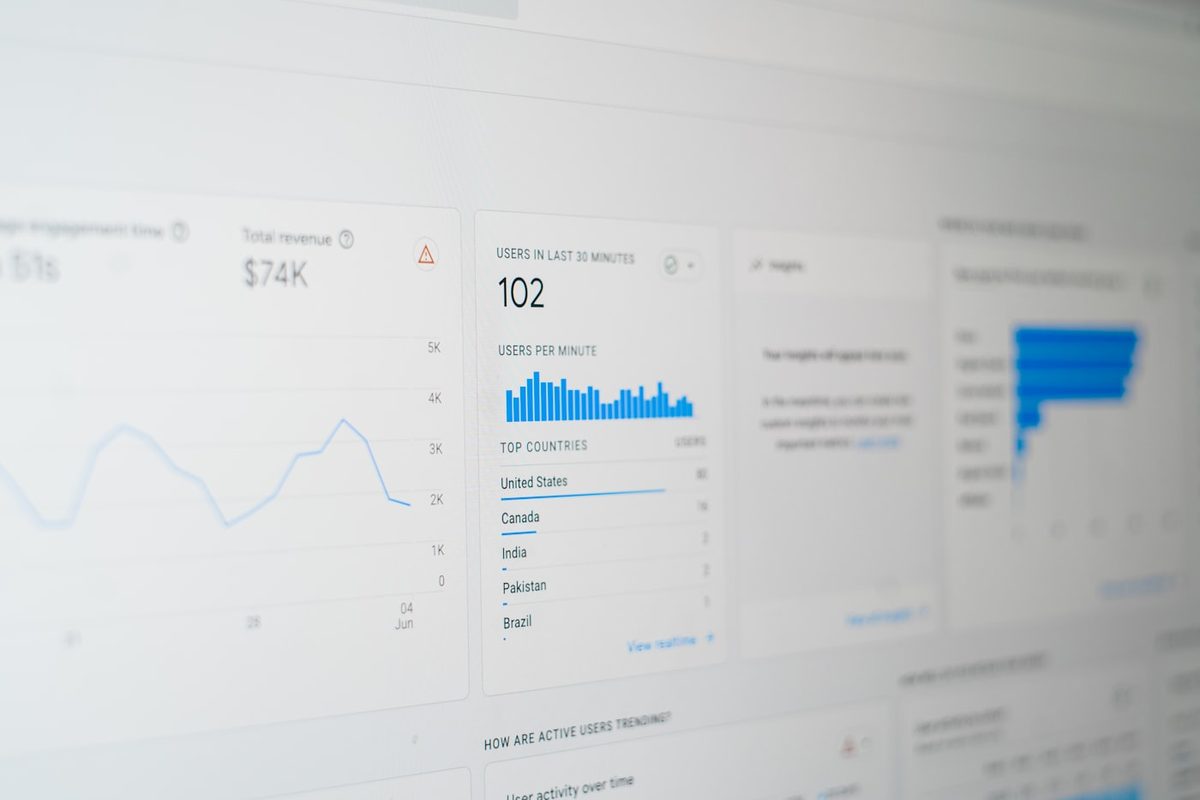
A forecast that doesn’t change the plan is decoration. We connect predictive models directly to the planning cycle so the numbers shape the next quarter, not just the deck.

Methodology
By structuring how we capture, review, and test data through the 5D process, we move you from reactive reporting to proactive forecasting.
Audit past performance and data baselines so every forecast is grounded in real history, not guesswork.
Identify the non-obvious correlations in behavior and frame the models that will project them forward.
Build forecast models that project potential trajectories and baselines you can plan against with confidence.
Stress-test each model by injecting external variables and scenario conditions before it informs a decision.
Translate the models into actionable roadmaps and track forecast accuracy so the system keeps improving.
Core Capabilities
Predictive analysis creates stronger value when businesses need to prepare earlier, model outcomes more clearly, and reduce guesswork around what comes next.
FAQs
Common questions about predictive analysis at Mighty Leap.
Predictive analysis uses historical data and statistical models to forecast likely future outcomes, such as demand, churn, or risk, so you can plan with more clarity before pressure builds.
Typical uses include demand and sales forecasting, churn risk, and scenario modeling, giving you an evidence-based view of what is likely next and where to act early.
Accuracy depends on data quality and how far ahead you forecast. We validate models against real outcomes and share confidence levels, so forecasts inform decisions honestly.
Trend analysis explains how things have moved over time; predictive analysis uses that and more to estimate what happens next, turning history into a forward-looking forecast.